
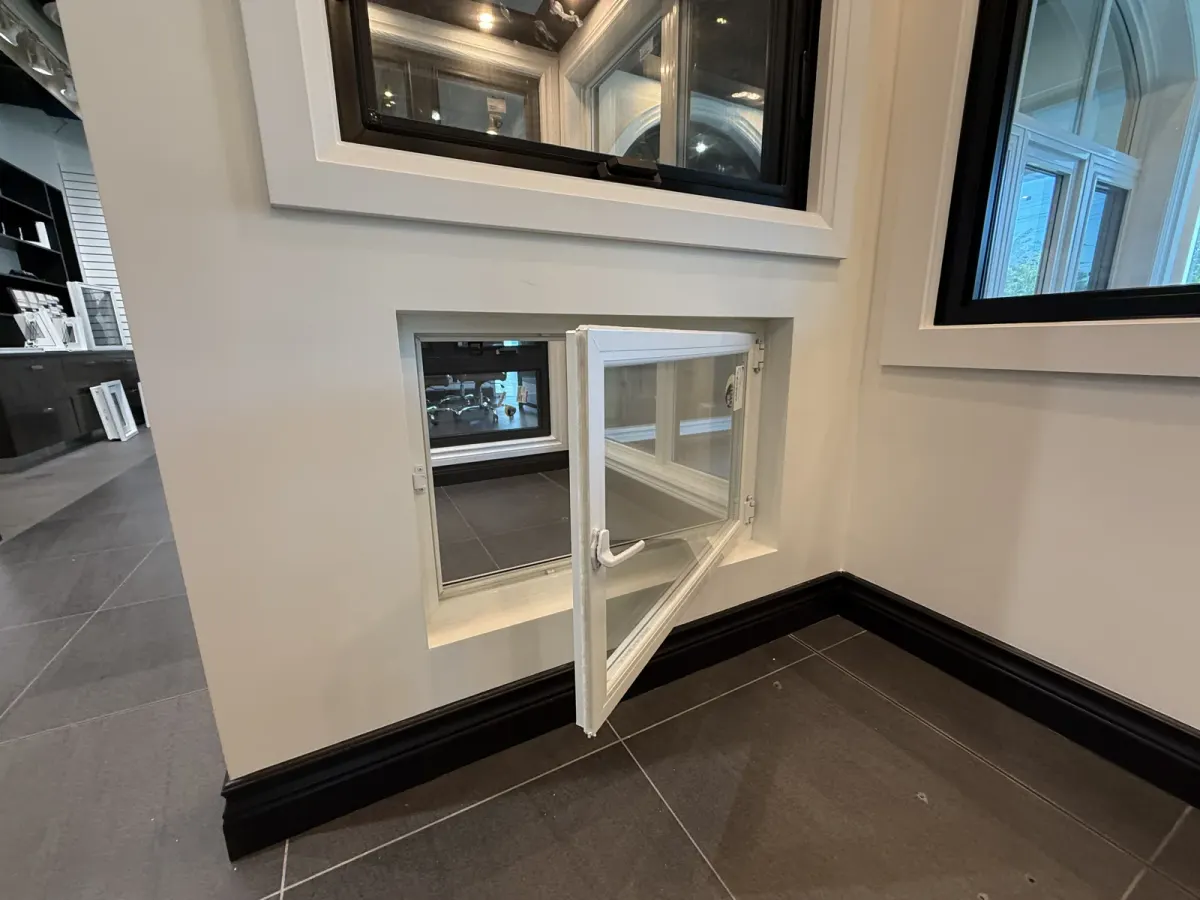
Retained-frame replacement
An insert or retrofit approach places the replacement into suitable existing framing. It may preserve some surrounding trim, but the retained components must be sound and correctly assessed. The resulting glass area and frame proportions should be reviewed before ordering.
Do not treat retained framing as a way to cover damage. Water entry, distortion or deterioration can change the appropriate scope. Ask the assessor to explain what remains and why it is suitable.
Full-frame replacement
Full-frame work removes the old frame and allows a closer assessment of the rough opening. The new assembly, insulation, seals and interior and exterior finishes are then coordinated with the wall.
The term does not automatically mean changing the opening size or removing surrounding masonry. Structural enlargement is separate work. A detailed quote should make this distinction clear.
Prepare the space
- Clear furniture and window coverings from the work area.
- Arrange access through gates, stairs or shared areas.
- Discuss protection for flooring and nearby surfaces.
- Tell the team about alarms or other devices connected to the opening.
- Confirm who handles repairs and finishing outside the quoted scope.
Check the finished window
Operate the sash, lock and screen, then review the surrounding finish. Ask for the care guidance and the applicable product documents. Report any concern with the opening location, photographs and a description of what happens when you use it.
What changes around the frame?
| Part of the opening | Scope to establish |
|---|---|
| Existing frame | Which parts remain and what condition makes retention appropriate. |
| Rough opening | Assessment and responsibility for any necessary repair. |
| Perimeter connection | Support, fastening, insulation and sealing for the selected unit and wall. |
| Exterior transition | Flashing, trim and water paths coordinated with cladding. |
| Interior finish | Jamb depth, casing, sill and any painting or wall repair. |
Compare before-and-after dimensions
An insert can introduce a new frame inside retained framing, changing the clear glass and visible proportions. A full-frame approach can change the surrounding trim. Ask for those differences to be explained before ordering, especially where new and existing windows sit close together.
Record opening direction and handle reach as part of the replacement schedule. A window that fits the wall can still interfere with a tap, blind or walkway. Changing the operating style should resolve those everyday details while preserving any required opening function.
Use an opening-by-opening handover
- Identify each room and window on the approved schedule.
- Test full travel, locking and any permitted tilt or cleaning position.
- Review screens, handles, sill finish and perimeter trim.
- Keep drainage openings visible and ask about routine cleaning.
- Record follow-up items with photographs and an opening number.